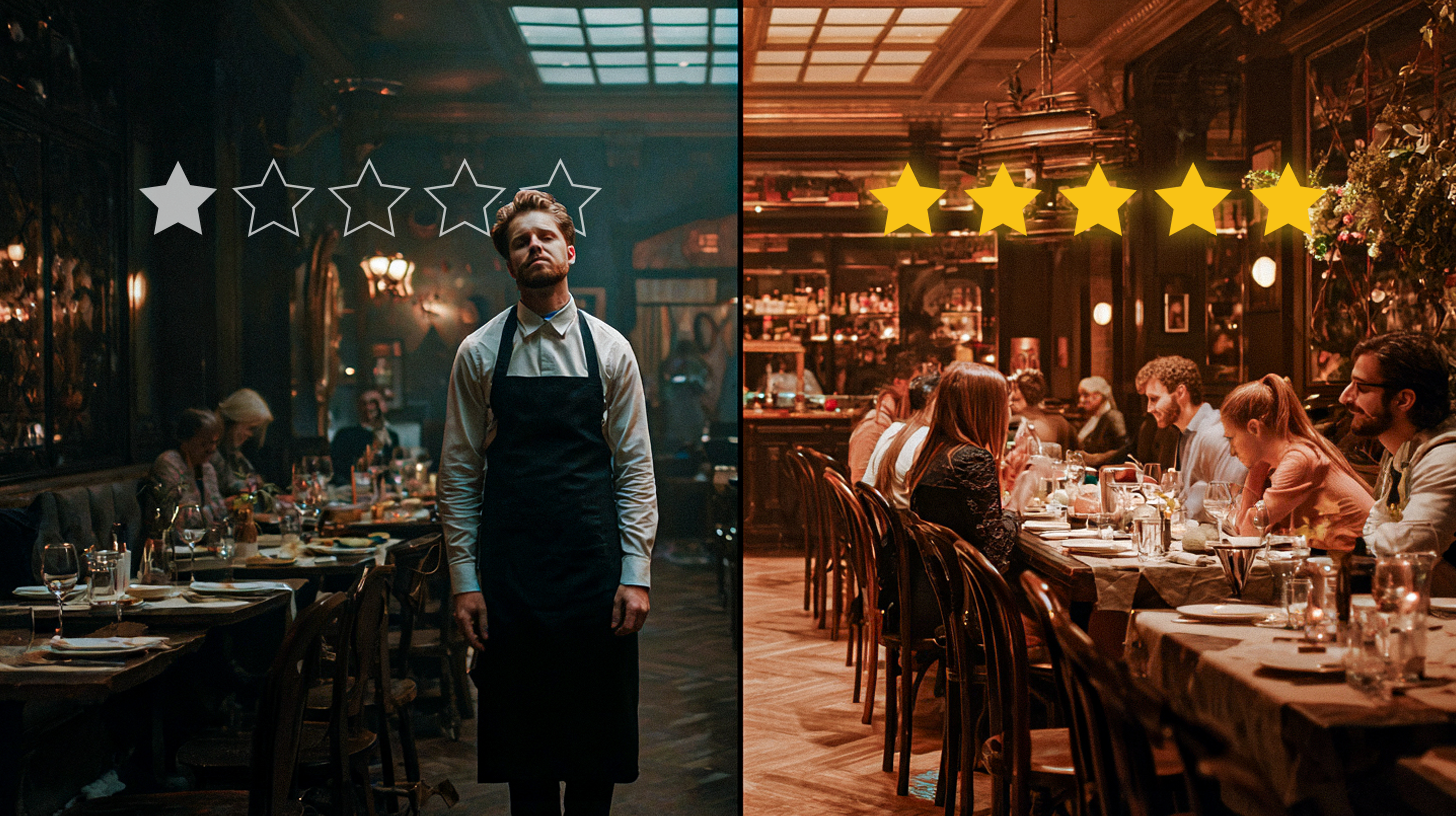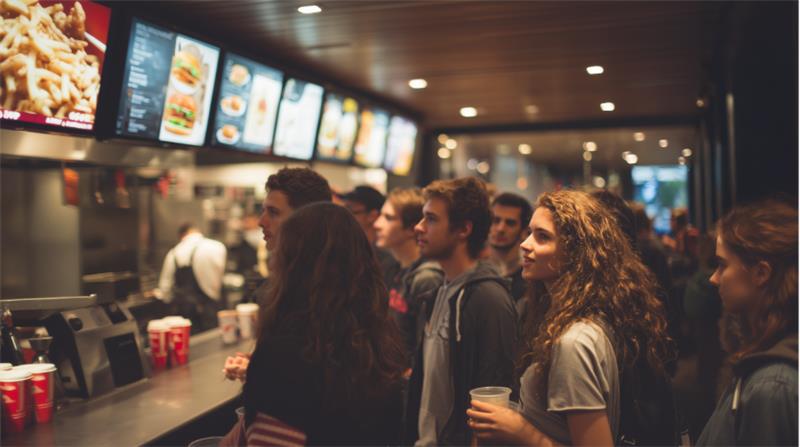
No guest walks into a restaurant hoping to wait. Whether it’s the line at the door, or the lag before placing an order, every extra minute chips away at your customer’s patience.
And in today’s dining scene, where online reviews spread fast and competitors are just a swipe away, long wait times cost you real revenue.
Restaurant wait times are the result of small bottlenecks across the entire flow of operations, from host stand to kitchen to checkout.
However, fixing them doesn’t always mean hiring more staff or tearing up your floor plan. Sometimes, it comes down to simple, smart changes that keep guests moving, staff on beat, and tables turning faster.
In this guide, we’ll cover 7 proven hacks that directly reduce restaurant wait times. The kind of practical, immediately useful strategies that every restaurant owner should have in their toolkit.
Why Restaurant Wait Times Hurt More Than You Think
If you’ve ever seen a line form at the door and silently prayed it moves fast enough to keep people from walking out, you already know the stakes.
The Cost of Lost Guests
Diners are willing to wait a few minutes, but the tipping point comes sooner than you think. Studies show nearly 30% of guests will leave if quoted a wait time longer than 15 minutes, and once they walk out, they rarely return.
Even if they stick it out, a negative first impression can turn into a bad review that lingers online far longer than the meal itself.
The Hidden Revenue Impact
Walkouts are only part of the problem. Every extra 10 minutes a table sits occupied during peak hours means fewer covers per shift. Imagine a 60-seat dining room that turns three times on a busy Friday.
If long waits slow those turns by just 10 minutes, you could lose an entire seating cycle over the course of service. For an industry running on slim margins, those lost turns can mean the difference between profit and scraping by.
Hack #1: Pre-Set Popular Dishes for Rush Hours
Lunch rush hits, the tickets start stacking, and suddenly your kitchen is buried under orders that all take 15+ minutes to cook. That’s when having “rush-ready” items in your back pocket can save the night.
Rush-Ready Specials
Think of these as your “service accelerators.” They’re not throwaway items but smartly chosen crowd-pleasers your team can execute on autopilot.
Examples: a signature flatbread, a grain bowl with prepped proteins, or a seasonal pasta that uses already prepped sauces.
By designing a handful of dishes that can be prepped, plated, and served in under 10 minutes, you keep the line moving, shorten guest wait times, and take pressure off your cooks.
Hack #2: Add a Pickup Shelf or To-Go Station
It’s a familiar scene: delivery drivers hovering by the host stand, takeout guests crowding the entryway, and dine-in customers squeezed into the middle of it all.
The fix is simple but powerful: create a dedicated pickup shelf or to-go station. By giving online and delivery orders their own lane, you free up the counter, reduce bottlenecks, and keep your dining room experience intact.
Streamline Takeout Orders
A clearly marked pickup shelf or cubby system lets drivers and guests grab their orders quickly without tying up your hosts or servers. That means fewer interruptions for staff along with smoother service for dine-in customers.
Hack #3: Use Kitchen Display Systems (KDS)
Traditional paper tickets slow communication, create errors, and leave cooks scrambling when the rush hits. A Kitchen Display System (KDS) changes that dynamic by moving everything digital.
Real-Time Ticket Management
With KDS, orders don’t sit waiting for a runner to pin them to a rail. The moment a server enters an order, it hits the kitchen screen with all modifiers, notes, and timestamps attached.
That clarity prevents mistakes, speeds up prep, and gives every station full visibility into what’s coming.
Prioritize and Track Prep Times
Modern KDS setups take it one step further by allowing you to prioritize urgent items, flag special requests, and monitor average prep times.
This means chefs can balance the line intelligently, ensuring quick-fire dishes don’t get stuck behind more complex plates. It’s a small shift that can shave minutes off ticket times and prevent backlogs before they spiral.
Hack #4: Offer QR Code Ordering at the Table
One of the biggest slowdowns in any service? The gap between when a guest sits down and when their order makes it to the kitchen. If your servers are juggling multiple tables during peak hours, that lag can stretch into 10–15 minutes before the first drink even hits the table.
QR code ordering closes that gap by putting control in the guest’s hands. With a quick scan, diners can browse your menu, customize their choices, and fire off an order without waiting for a server to circle back.
Faster Orders, Fewer Bottlenecks
Instead of servers bouncing between tables to take orders, QR menus move tickets to the POS as soon as guests are ready. That eliminates delays during high-volume shifts and smooths out bottlenecks when you’re short-staffed.
Guest-Friendly Convenience
Today’s diners, especially Gen Z and Millennials, expect digital options. QR ordering delivers that convenience while reducing strain on your staff. Servers can shift focus to hospitality, upselling, and problem-solving rather than juggling repetitive order entry. For operators, that translates into greater efficiency, faster turns, and happier guests.
Hack #5: Automate the Flow with Smart Systems
Even with the best floor plan and fastest servers, human bottlenecks happen. That’s where automation steps in. Modern restaurant platforms now connect the dots across front- and back-of-house, ensuring every step of service runs on time.
Think about it: a POS that routes orders instantly to the kitchen, an inventory system that reorders ingredients before stockouts, or an accounting module that reconciles sales automatically in the background. Platforms like AIO bundle these tools into one ecosystem, reducing the hand-offs and delays that typically slow your restaurant service.
By automating repetitive tasks, ticket routing, payment handling, even smart upselling, you keep staff focused on what really matters: fast service and guest experience. For operators, that means fewer errors, quicker turns, and a smoother shift every single day.
Final Thoughts: Turning Wait Times into Flow
Long wait times aren’t just an inconvenience, they’re a silent drain on your revenue, reputation, and repeat business. The good news is that small, intentional changes in how you seat, serve, and streamline orders can transform that wasted time into smooth, profitable flow.
By adopting even a few of these hacks, you’ll cut delays, keep guests happy, and unlock more turns per shift. In a business where every minute counts, mastering restaurant wait-time management isn’t optional, it’s a competitive edge.